
grid channels

Suspended ceiling grids are a network of runners arranged overhead, into which ceiling tiles are fitted. There are a variety of grid options available, depending on the aesthetic want for your ceiling. Grid ceiling channels are components used in the installation of suspended or drop ceilings. They are metal tracks that support the ceiling tiles or panels, creating a grid-like framework. 

Types of grid ceiling channels

  1. Main Tee
  2. Cross Tee 4ft
  3. Cross Tee 2ft
  4. Wall Angle

Main Tee

Main tees are essential components in grid ceiling systems, typically used in suspended ceiling installations. They are the primary horizontal supports that form the backbone of the ceiling grid, providing structural integrity and support for the ceiling tiles or panels.

cross tee 4ft

4-foot cross tees are another key component in suspended ceiling systems, complementing main tees to create a sturdy grid for supporting ceiling tiles.
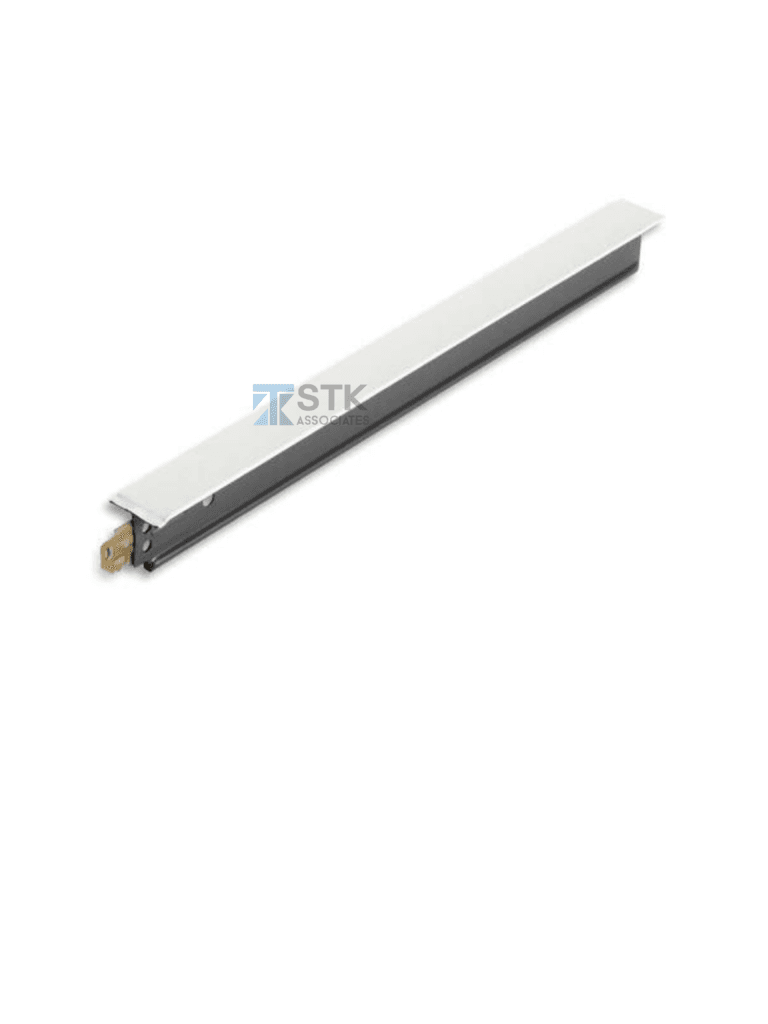
Cross tee 2ft

Cross tees, specifically the 2-foot variety, are integral components of suspended ceiling systems, working alongside main tees to create the grid framework that supports ceiling tiles.

Wall angle

Wall angle is a critical component in suspended ceiling systems, providing a finished edge where the ceiling meets the walls. It serves both functional and aesthetic purposes in the installation of a drop ceiling.

various brands of grid channels

  1. USG
  2. GYPROC
  3. ARMSTRONG
  4. DIAMOND

What is a suspended ceiling grid?

A suspended ceiling grid is a network of metal runners arranged overhead, forming a grid framework to support ceiling tiles or panels in a drop ceiling system.

What are the main components of a suspended ceiling grid system?

The primary components include:Main Tee: The main longitudinal channel that spans the ceiling and supports cross tees and tiles.Cross Tee 4ft: Cross members that connect to the main tee, usually 4 feet in length.Cross Tee 2ft: Shorter cross members (2 feet) used to subdivide the grid for smaller ceiling tile sizes.Wall Angle: A perimeter trim fixed to the walls that supports and finishes the edges of the ceiling grid system.

What is the function of the Main Tee?

The Main Tee provides the primary support structure for the entire suspended ceiling system. It carries the load of the ceiling tiles and connects to building structures via hangers.

How do Cross Tees (2ft and 4ft) differ?

Cross Tee 4ft is typically used to create larger grid bays and runs perpendicular to the Main Tee.Cross Tee 2ft is used to subdivide larger bays created by the main tee and 4ft cross tees into smaller sections, often for ceiling tiles sized 2’ x 2’.

What is the purpose of the Wall Angle in suspended ceilings?

The Wall Angle acts as a perimeter trim, supporting the ceiling grid at the edges and providing a neat finished look where the ceiling meets the walls.

What materials are grid ceiling channels made of?

Grid ceiling channels are generally made of galvanized steel or aluminum for durability, corrosion resistance, and strength.

Which are some reputable brands for suspended ceiling grid channels?

Popular and widely used brands include:USG (United States Gypsum)GyprocArmstrongDiamond These brands offer a range of grid channels meeting various performance standards and aesthetic requirements.

Are there different sizes of grid channels?

Yes, grid channels vary in length and profile depending on the ceiling tile size and installation requirements, with common cross tees in 2ft and 4ft lengths and main tees available in longer lengths.

How is the suspended ceiling grid installed?

The installation involves fixing the Wall Angle around the room perimeter, suspending the Main Tees from overhead structures using hangers, and then snapping in the cross tees to form the grid. Ceiling tiles are then placed within the grid bays.

Can suspended ceiling grids be used with various types of ceiling tiles?

Yes, the grid system is compatible with mineral fiber, gypsum, metal, wood, and other types of ceiling tiles, depending on design and load requirements.

Are grid channels recyclable or environmentally friendly?

Most metal grid channels are recyclable and many manufacturers implement sustainability practices like using recycled steel in production.